Get Healthy!
- Posted July 29, 2026
DoorDash, GrubHub Delivering Junk Food To 1 In 4 Teens During School Hours
DoorDash and GrubHub have become stiff competition for a traditional, everyday eatery found in every U.S. community — the high school cafeteria.
Nearly one-quarter of teens say they use mobile food delivery services to bring them meals and snacks during school hours, researchers reported at the annual meeting of the American Society for Nutrition.
What’s more, the kids are using these services largely to deliver junk food to their campus, researchers said.
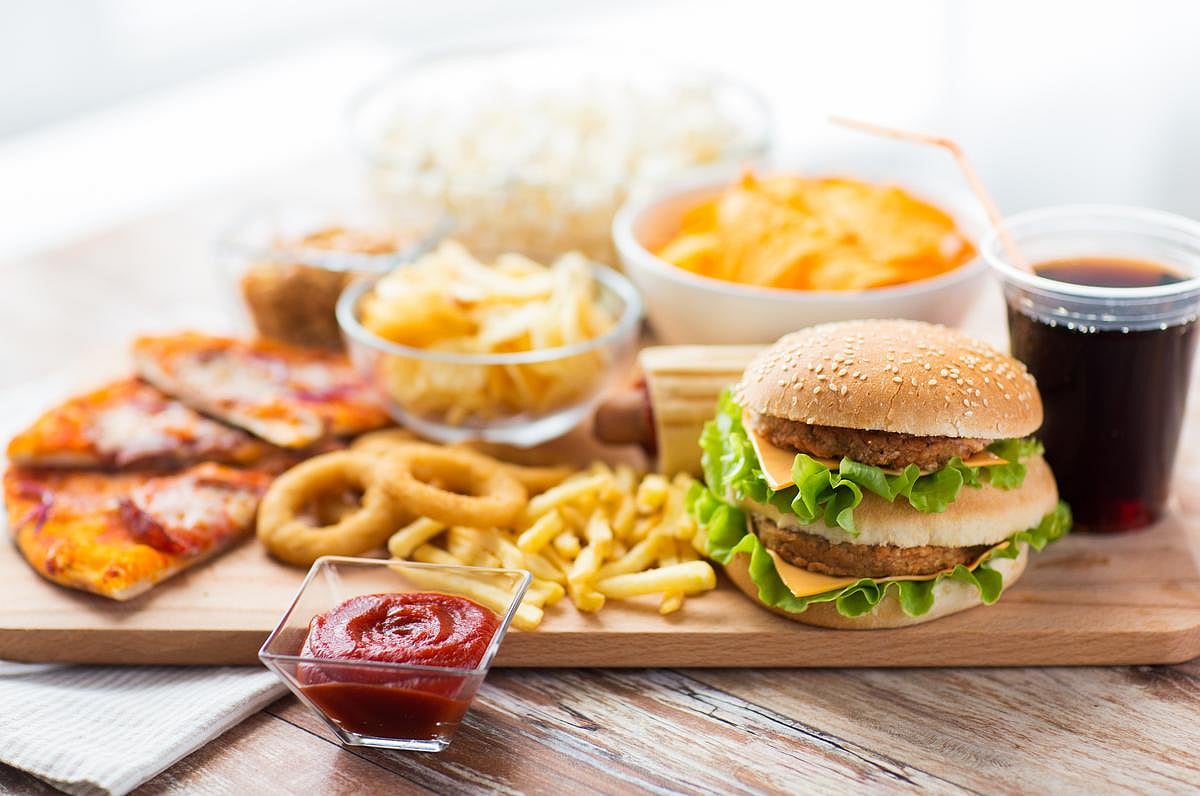
Almost 60% reported ordering fast food like pizza and burgers, and more than one third ordered sodas or other sugary drinks, the study found.
“Today, a smartphone instantly brings a food outlet many miles away right to the school gate, fundamentally changing how our children access foods and beverages at school,” lead researcher Mika Matsuzaki said in a news release. She is an assistant professor of human nutrition at the Johns Hopkins Bloomberg School of Public Health in Baltimore.
This technology threatens to thwart attempts by federal and state policy makers to promote healthy foods and beverages in school cafeterias and vending machines, researchers said.
“We can no longer look at school nutrition without looking at the smartphone in a student’s pocket,” Matsuzaki said.
For the study, researchers surveyed more than 1,000 13- to 17-year-olds in July through August 2025, using a national online polling platform.
Results showed that students tended to order unhealthy foods through their apps, with grain bowls, fruit, veggies and unsweetened beverages serving as less popular options.
Nearly half of students surveyed supported allowing mobile food delivery during school, although many also expressed concerns about how the deliveries affect the learning environment, equity and bullying.
“Interestingly, students themselves are divided on whether this should be allowed. Even those who support it openly worry about campus safety and classroom distractions,” said Matsuzaki. “It’s rare to see teenagers raise flags about their own digital habits, which signals to us that they recognize these platforms are a double-edged sword.”
Outside school, food delivery apps are even more popular among teenagers. Nearly half said they use them after school to ring up grub.
The survey also found that schools in the western United States tended to allow such food deliveries more often than those located elsewhere in the country.
Schools can ban such deliveries, researchers said, or they might work with food-delivery platforms to suss out ways to encourage healthy choices.
“For many school administrators and parents, this study will be a wake-up call as they may not be aware of this relatively new phenomenon,” Matsuzaki said. “We hope these findings will bring proactive conversations.”
Matsuzaki presented this research Monday at the meeting, which was held in National Harbor, Maryland.
Findings presented at medical meetings are considered preliminary until published in a peer-reviewed journal.
More information
The Harvard T.H. Chan School of Public Health has more on healthy eating during the school day.
SOURCE: American Society for Nutrition, news release, July 27, 2026


